
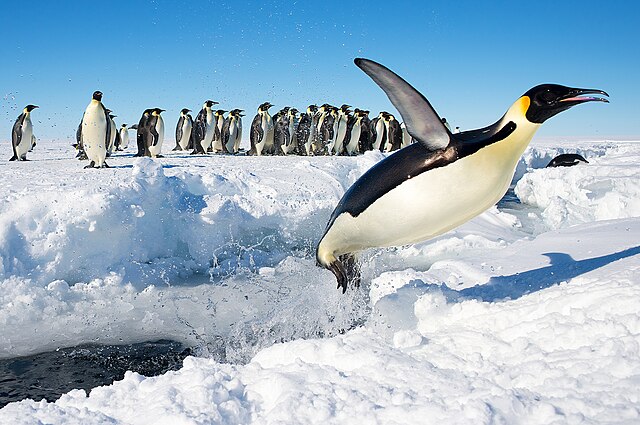
For centuries, Antarctica was thought to be nothing more than a desolate, icy wasteland. But in recent decades, scientists have unearthed fossils that paint a dramatically different picture. Deep beneath the ice, they’ve found remains of ancient ferns, tropical trees, and even dinosaur fossils, proving that this frozen continent was once teeming with life.
Fossils Hidden Beneath the Ice
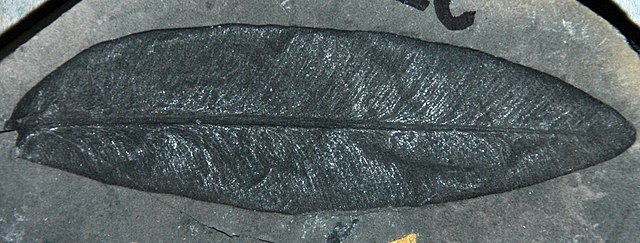
One of the most stunning discoveries came when researchers drilled deep into the ice and pulled up samples of 90-million-year-old soil—a relic from the Cretaceous period. Inside, they found perfectly preserved roots, pollen, and spores, suggesting that Antarctica was covered in a temperate rainforest similar to modern-day New Zealand.
Even more astonishing, fossilized tree trunks discovered in Antarctica indicate that some trees experienced seasonal changes, much like trees in temperate regions today. This suggests that the continent once had a mild climate with distinct seasons, despite being located near the South Pole.
How Did a Rainforest Thrive in Antarctica?
During the Cretaceous period, the world was a very different place. Carbon dioxide levels were much higher, trapping more heat in Earth’s atmosphere. Antarctica, though still near the South Pole, enjoyed a climate that was warm and humid, allowing dense forests to flourish. These rainforests were home to dinosaurs, insects, and even early mammals, creating a prehistoric paradise.
What Happened to Antarctica’s Rainforest?
So, how did this lush world become the frozen wasteland we see today? The answer lies in plate tectonics and climate shifts. Over millions of years, Antarctica drifted southward, becoming more isolated. At the same time, global temperatures began to drop, leading to the formation of massive ice sheets. Eventually, the once-thriving forests were buried under layers of ice, preserved only in fossilized remains.
Why This Matters Today
The discovery of Antarctica’s ancient rainforest isn’t just a fascinating glimpse into Earth’s past—it also holds important lessons for our future. The fact that Antarctica was once warm enough to support forests suggests that even slight changes in global temperatures can lead to massive environmental shifts. As climate change accelerates today, Antarctica’s history serves as a powerful reminder of how much Earth’s climate can transform.
The Future of Antarctica’s Ice
With rising global temperatures, Antarctica’s ice sheets are melting faster than ever. Scientists warn that if warming continues, parts of the continent could eventually become ice-free again, much like they were millions of years ago. While it’s unlikely we’ll see rainforests return anytime soon, these changes could have dramatic consequences for global sea levels and weather patterns.
A Continent of Hidden Secrets
Antarctica’s frozen surface still holds countless secrets waiting to be discovered. Each new fossil find adds another piece to the puzzle of Earth’s prehistoric past. As scientists continue to drill deeper and uncover more evidence, who knows what other wonders might be lurking beneath the ice?
A Final Thought
It’s easy to think of Antarctica as a barren, lifeless place. But the truth is far more incredible. This frozen continent was once a thriving rainforest, home to dinosaurs, towering trees, and a world lost to time. And if Earth’s climate has changed this dramatically before, it raises an even bigger question—what could the future hold for our planet?